Image Don’t Make it Easy for Them: National Cybersecurity Awareness Month Oct. 6, 2026 October is National Cybersecurity Awareness Month, and at the University of Arizona, this year’s message is simple: Don’t Make It Easy for Them. The University Information Security Office (ISO) is marking the 22nd anniversary of Cybersecurity Awareness Month by putting a face, or, in some cases, a name, to the threats people encounter online. This year’s campaign introduces four real-world cybercriminals and groups and, more importantly, the everyday habits that can make their work much harder. Read more
Image Small Actions, Big Impact: Getting UITS Involved in UA Cares Sept. 22, 2026 Giving back doesn’t have to mean making a major commitment. A few hours, a donation or simply helping spread the word can make a difference and UITS employees are being encouraged to find a way to get involved. UA Cares brings University of Arizona employees together through community service and giving. Some of its initiatives include the Annual Workplace Giving Campaign, United Way Days of Caring, UA 4 Food, the Employee Emergency Fund and campuswide blood drives. Read more
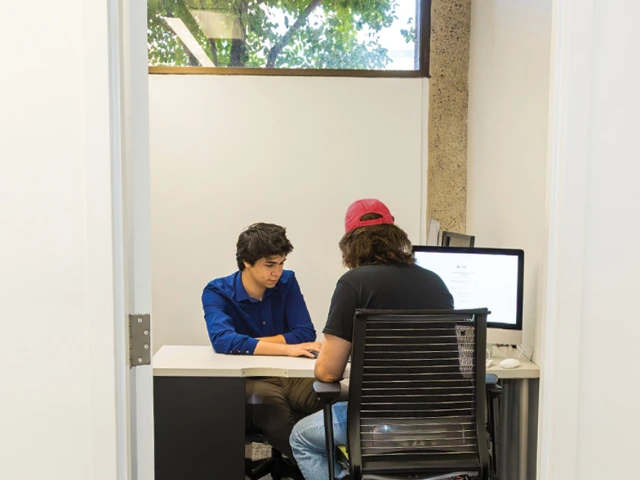
Image Q&A with Support Services Student Workers Sept. 21, 2026 Meet three UITS student workers who help support the University every day through the Tech Zone and 24/7 Support Center. Abby Lefevre, Grant Grunden and Sam Chavez-Hernandez share what led them to their roles, the skills they’ve developed on the job, and some of the most memorable ways they’ve been able to help students solve technology problems. They also talk about balancing work, school and their interests outside the University—from wheelchair rugby and student organizations to mariachi, drawing and time with friends. Read more
New University Email Policy Sept. 17, 2026 The University of Arizona’s new Email Policy was recently approved as a permanent policy. The comprehensive policy combines two previous email policies into a single one, clarifies the university community’s rights and responsibilities when using university email, and strengthens protections for university information and data. Email continues to be the university’s official means of communication to members of the campus community. Read more
Image Life After Retirement: The Journey of Campus Hardware Sept. 8, 2026 University-owned devices follow a structured lifecycle that prioritizes reuse, cost savings, data security, and accountability. Departments retain ownership of the equipment they purchase, while UITS helps manage, secure, support, and eventually retire it. Devices are repurposed whenever possible; when disposal is necessary, University data is securely removed before the equipment enters the surplus process. Employees support this effort by coordinating with their department and UITS before discarding or returning technology. Read more
Image The Technology Behind Residential Life Aug. 31, 2026 For thousands of University of Arizona students, the start of the fall semester also means settling into a new home. They connect laptops to UAWiFi, stream shows, set up gaming consoles, swipe into buildings and check whether a washing machine is available. Making all of that work requires a complex technology environment operating largely behind the scenes. Read more
Image UITS’ Matt Stoner Selected as AI Fellow Aug. 31, 2026 With the rapid growth of artificial intelligence, the University of Arizona needs to responsibly adopt and govern AI in practice. The Office of Responsible AI (ORAI) sought out faculty and staff leaders who understand AI’s implications for their areas of work and are motivated to help shape guidance for the university. Potential University of Arizona AI Fellows applied in spring 2026 and were selected at the end of July, including UITS senior information systems manager Matt Stoner. Read more
Image Helping New Wildcats Get Tech Ready Aug. 24, 2026 Technology is part of nearly every step of the college experience. Students use their NetID and 2-factor authentication to access university systems, rely on email for official university communications, connect to UAWiFi, use software for coursework and access online tools to register for classes, complete assignments and view grades. For students arriving at the University of Arizona for the first time, that can be a lot to navigate. Read more
Image What’s New in Zoom: Smarter Tools, Simpler Meetings Aug. 24, 2026 If Zoom looks or behaves a little differently the next time you open it, you’re not imagining things. A series of recent and upcoming updates to Zoom Workplace is designed to make meetings easier to navigate, reduce interruptions, and give users more control over everything from screen sharing to meeting security. During a recent UCATT learning session, Malcolm Elliott, the university’s enterprise Zoom account manager, walked participants through the changes, including a redesigned interface and new meeting controls. Read more
Microsoft 365 Licensing Updates Aug. 17, 2026 Microsoft has updated its higher education licensing model. In response, UITS is aligning Microsoft 365 license assignments with employee job responsibilities while making effective use of university resources. Read more